

Connecting climate neutrality with tourism, landscape and territorial identity
ELBA, ITALY
Overview
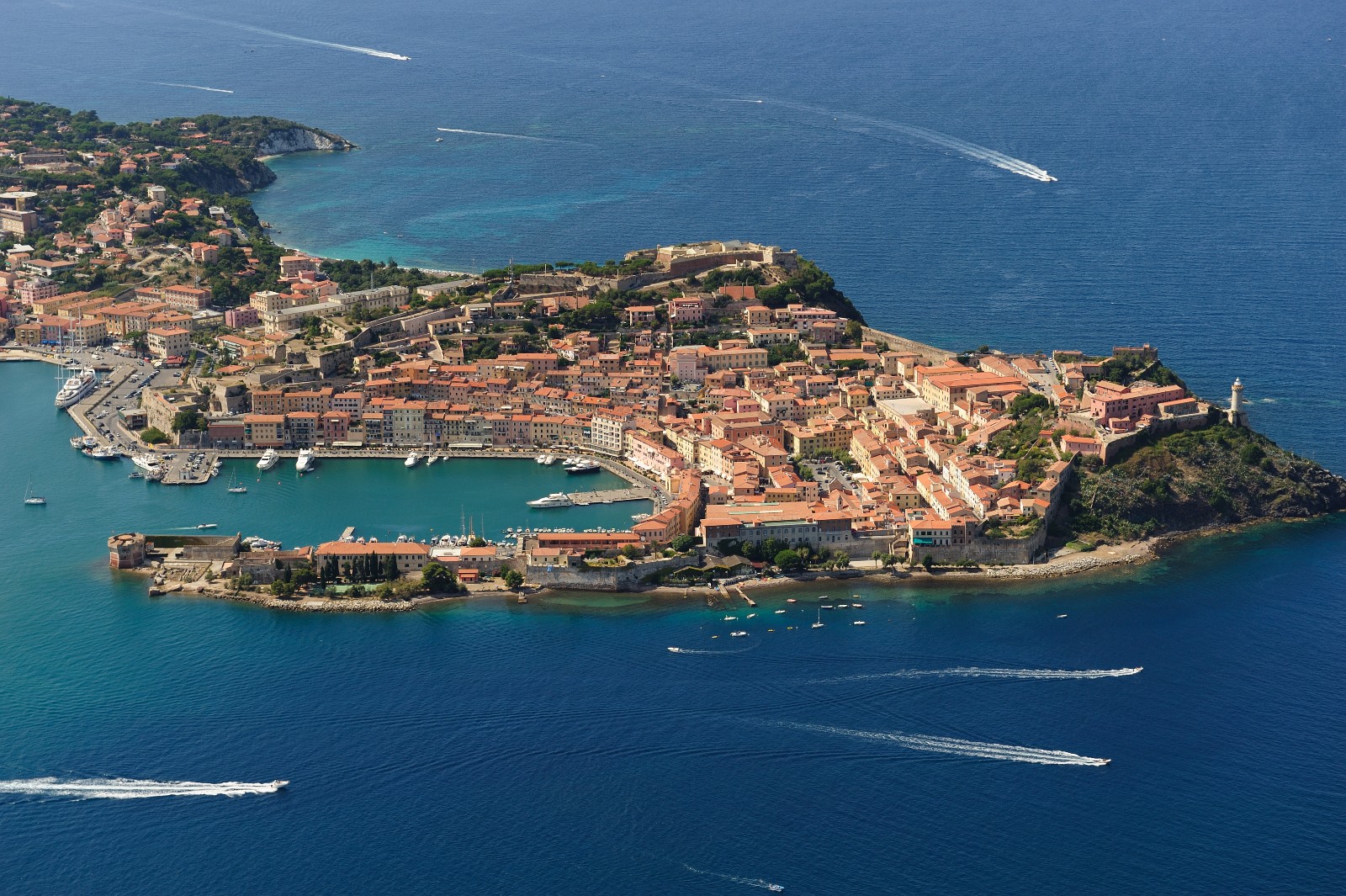
The Climate Neutrality Transition Roadmap for Elba brings together the outcomes of the co-creation process developed throughout the CO2 PACMAN project, translating technical analysis, stakeholder exchange, spatial exploration and policy-oriented discussions into a structured pathway towards climate neutrality. The process explored climate neutrality within a territory shaped by tourism, agriculture, coastal landscapes and a strong post-industrial and geo-mining heritage.
Starting Conditions and Transition Context
Elba's economy and territorial identity are closely connected with tourism, agriculture, coastal areas and its mining heritage. Its transition context is influenced by energy dependency, mobility and seasonal tourism, alongside its environmental assets and distinctive landscape.
The GHG assessment phase identified the predominance of the Energy sector, accounting for approximately 93% of gross emissions. This reflects the island’s emissions profile, in which energy-related consumption patterns are the main source of emissions, particularly from mobility and electricity use.
The co-creation process also identified priorities including renewable energy, sustainable mobility, landscape identity, Renewable Energy Communities and stronger community participation.

Energy & Landscape Transformation
Renewable energy development constitutes the core component of Elba’s pathway toward climate neutrality. According to the roadmap, achieving carbon neutrality requires installing approximately 22.5 MW of additional renewable energy capacity, representing a substantial increase in local energy production.
Landscape-based scenarios were used to translate transition priorities into spatial configurations and to explore how technological and policy interventions could interact with land-use patterns and the existing environmental and socio-economic context. Three complementary landscape scenarios were developed to explore different ways of combining renewable energy deployment with Elba's environmental and socio-economic context: offshore wind development, solar energy and landscape regeneration in former mining areas, and agrivoltaics integrated with local production systems.
Innovative Solutions
The Open Innovation Cooperative Action connected locally identified challenges with potential technological and business solutions proposed by SMEs, start-ups and research organisations from across Europe. For Elba, the process focused on three priority areas: sustainable events and tourism-related activities, agroecological innovation and low-carbon mobility solutions. Overall, 20 solutions were submitted for the island and the most relevant proposals were further explored with local stakeholders.
Co-creation
Community perspectives were integrated through the participatory activities implemented during the CO2 PACMAN process. The “The Island I Would Like” Lab provided a key setting for co-creation, combining stakeholder engagement, co-design activities and scenario exploration. Youth engagement was also developed through the Youth Think Tank, while citizen perceptions were explored through the AskYourCitizenOnCaN and Vox Populi activities. Finally, the CO2 PACMAN Tool supported the exploration of transition scenarios.


Financing Pathways
The roadmap considers a multi-layered financing approach combining public funding, regional and European programmes, Renewable Energy Communities and innovative financial mechanisms. Community investment structures are also explored as a means of strengthening local participation and ownership of transition projects.
The Roadmap
The Elba experience demonstrates how climate neutrality planning can connect renewable energy deployment with landscape protection, tourism, agriculture and the regeneration of post-mining territories. By combining technical analysis, spatial exploration, stakeholder participation, innovation and financing considerations, the Roadmap provides an integrated and place-based framework for the island's transition towards climate neutrality.

Simone Bastianoni, University of Siena (UNISI), simone.bastianoni@unisi.it
Gabriele Paolinelli, University of Florence - Department of Architecture (UNIFI-DIDA), gabriele.paolinelli@unifi.it